Mastering Google Search Console SEO Tools for Better Website Performance in 2026
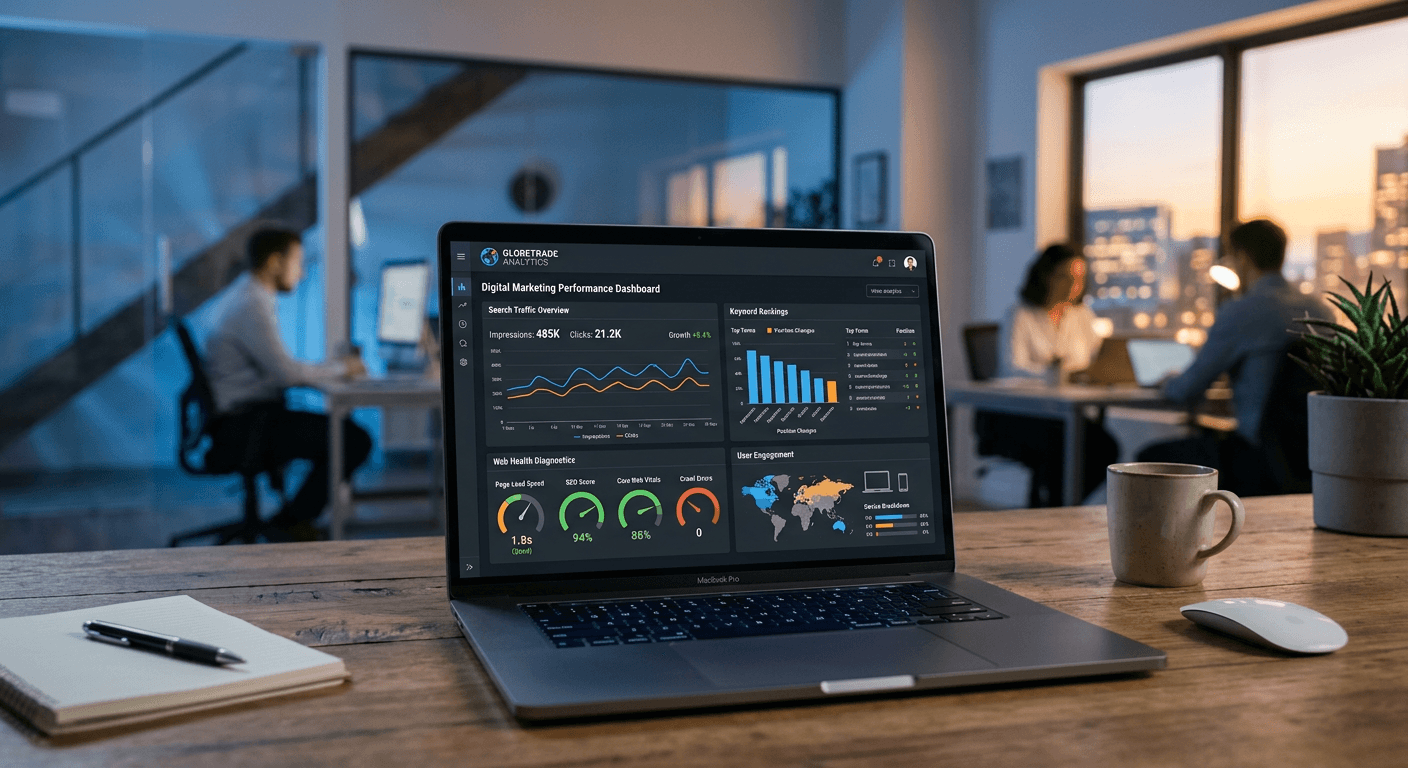
Tracking website health requires a robust methodology rooted in direct data from search engines. Utilizing google search console seo tools is the gold standard for site administrators, nonprofit leaders, and academic researchers who need to verify how their digital presence is indexed and surfaced by search algorithms. By leveraging these native utilities, organizations can identify technical bottlenecks, rectify indexation errors, and optimize their content for better visibility in an increasingly AI-driven search landscape.
Quick Summary {#quick-summary}
Google Search Console SEO tools provide a comprehensive suite of utilities for monitoring, maintaining, and troubleshooting a website's presence in search results. These tools enable users to analyze crawl data, identify security issues, and improve search visibility through actionable performance insights.
- Real-time indexing status monitoring.
- Core Web Vitals and user experience reporting.
- Direct feedback on search queries and click-through rates.
- Essential security and manual action notifications.
Table of Contents {#table-of-contents}
- Performance and Indexing Reports
- Core Web Vitals and User Experience
- Security and Manual Action Tools
- URL Inspection and Crawl Analytics
- Link Analysis and Backlink Audits
- Choosing the Right Tools for Site Health
- FAQ
- Recommended Reads

Performance and Indexing Reports {#performance-and-indexing-reports}
Performance reports represent the core of the google search console platform, offering granular data on how users interact with content. These reports display impressions, clicks, and average position for specific queries, pages, and countries over custom time ranges. For nonprofits or university administrators, this data is critical to understanding whether their primary messaging is reaching the intended audience or if technical hurdles are preventing discovery.
The indexing report provides a definitive view of which pages Google has successfully crawled and which it has excluded. This is where site owners can identify "soft" errors, such as redirect loops or canonicalization issues, that typically inhibit organic growth. Maintaining a clean index is a fundamental step toward improving transparency and operational standards.
Pros and Cons of Indexing Reports
- Pros: Provides authoritative "truth" from Google's perspective; free to use; highly detailed data exports.
- Cons: High learning curve for beginners; data lags by 24 to 48 hours; requires verified ownership of the domain.
Core Web Vitals and User Experience {#core-web-vitals-and-user-experience}
Core Web Vitals focus on the loading speed, interactivity, and visual stability of a page. Since user experience is a confirmed ranking factor, using an seo test to identify pages with poor LCP (Largest Contentful Paint) or CLS (Cumulative Layout Shift) scores is essential. This tool highlights specific pages that require optimization, allowing technical teams to prioritize resource allocation effectively.
Beyond technical speed, these reports surface mobile-usability errors that might render a site difficult to navigate on handheld devices. In an environment where mobile traffic often dominates for educational and charitable organizations, ensuring that these metrics are optimized is non-negotiable for maintaining site authority.
Pros and Cons of Core Web Vitals
- Pros: Directly correlates with search ranking factors; provides field data from real-world users; offers actionable diagnostic suggestions.
- Cons: Optimization often requires advanced development knowledge; does not cover all aspects of accessibility.
Security and Manual Action Tools {#security-and-manual-action-tools}
The security and manual actions report is a vital safeguard against site compromises. It alerts administrators to malware infections, phishing attempts, or policy violations that could lead to the site being removed from search results. Regular monitoring here is equivalent to maintaining robust digital safety protocols for any institution handling sensitive user data.
Manual actions are penalties applied when a site violates quality guidelines. While rare for legitimate organizations, understanding the cause of a manual action provides the necessary insights to resolve complex indexing issues and restore a site's standing with search algorithms.
Pros and Cons of Security Tools
- Pros: Provides early warnings before a site is delisted; essential for maintaining institutional trust; free diagnostic information.
- Cons: Highly reactive rather than proactive; requires immediate intervention to mitigate damage.
URL Inspection and Crawl Analytics {#url-inspection-and-crawl-analytics}
The URL Inspection tool allows users to perform an on-demand seo checker function for specific pages. By inputting a URL, administrators can see if the page is currently indexed, view the rendered HTML, and test the live version of the page. This is particularly useful for debugging new content launches or confirming that recent updates have been picked up by the Google crawler.
Crawl analytics, often accessed via the crawl stats report, show how frequently Googlebot visits the site, which file types it consumes, and whether the server is providing appropriate HTTP status codes. This helps identify server-side errors, such as 5xx codes, that might be throttling search engine access.
Pros and Cons of URL Inspection
- Pros: Instant feedback for single-page troubleshooting; verifies rendering accuracy; helps with indexation prioritization.
- Cons: Manual process for large sites; limited to one URL at a time.
Link Analysis and Backlink Audits {#link-analysis-and-backlink-audits}
Understanding the backlink profile is crucial for building domain authority. The links report lists external sites pointing to your domain, as well as your own internal linking structure. This allows you to identify where your content is being cited and whether those links originate from high-quality sources or potentially spammy ones.
For researchers and universities, keeping track of how external sites reference your findings is a measure of impact. Utilizing this data helps refine content strategy and outreach efforts to ensure that your most authoritative content receives the recognition it deserves.
Pros and Cons of Link Analysis
- Pros: Essential for measuring digital influence; helps identify valuable collaboration opportunities.
- Cons: Does not provide the full scope of third-party SEO tools that may have larger databases; requires manual filtering for quality.
Choosing the Right Tools for Site Health {#choosing-the-right-tools-for-site-health}
Selecting the right tools for site optimization involves balancing native Google solutions with external analytics software. Google's own tools provide the most accurate data regarding indexation and search health, while third-party platforms often offer superior competitive analysis and keyword forecasting. For most nonprofits and educational institutions, starting with the native suite is the best approach to establishing a baseline seo score.
Regular auditing is more important than the specific toolset chosen. Organizations should establish a monthly cadence for reviewing crawl errors, mobile usability reports, and performance trends. This routine ensures that technical debt does not accumulate and that the content produced continues to meet the evolving standards of search engines.
FAQ {#faq}
-
What is the difference between an SEO test and a full site audit? An SEO test usually targets specific page-level factors like load speed or keyword placement, whereas a full site audit examines the entire domain's health, including crawlability, internal linking, and structural integrity.
-
How often should I check my google search console seo tools? For critical site updates, check daily. For general maintenance and performance review, a weekly or bi-weekly check is sufficient for most organizations.
-
Do I need to pay for Google SEO tools? No. The core set of Google search tools is free to use for any verified domain owner, making them the most accessible options for nonprofits and research institutes.