Comparing Free Seo Checker and Analysis Tools
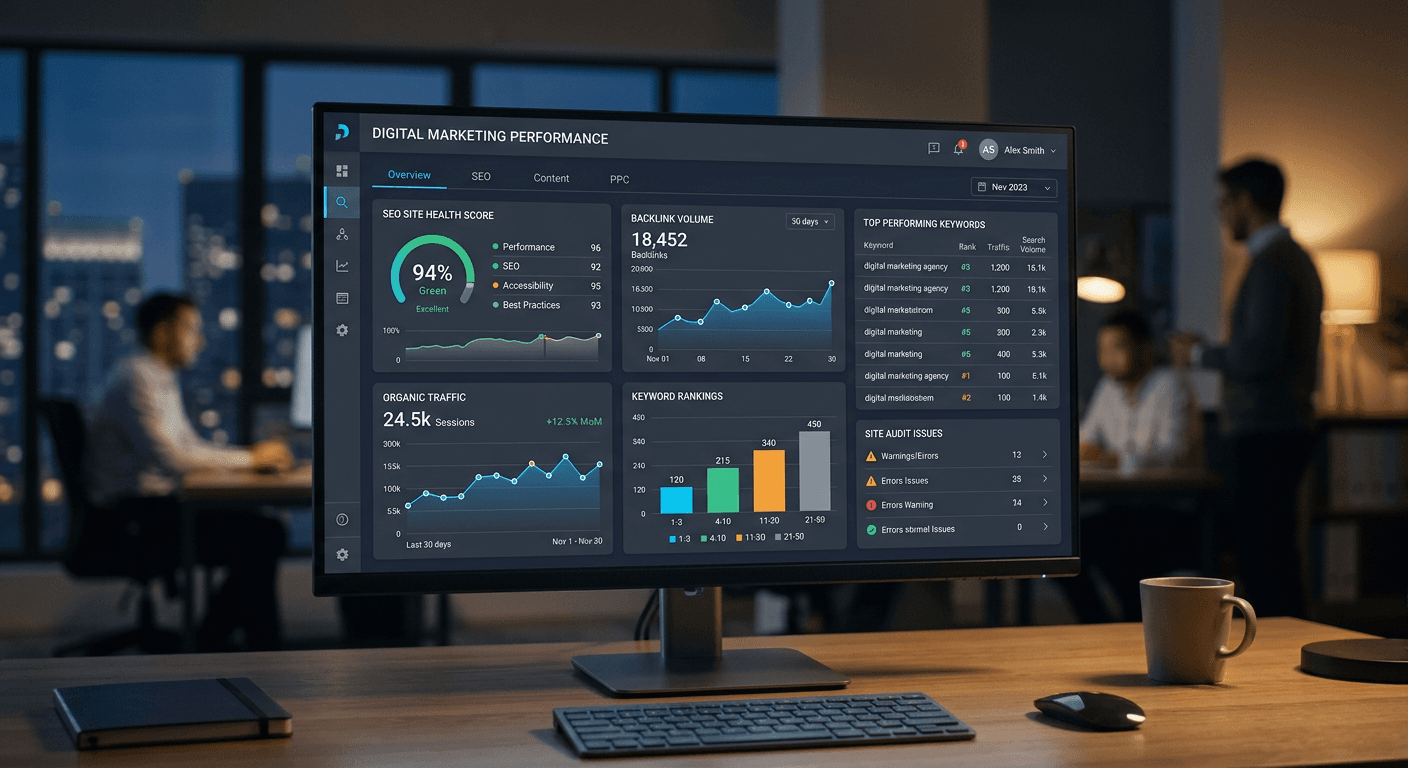
Selecting the right free seo checker is a foundational step for any digital marketer or website owner aiming to improve search engine visibility without the barrier of high-cost monthly subscriptions. These tools range from basic diagnostic scanners to comprehensive platforms that offer deep insights into technical architecture, backlink health, and content relevance. Navigating the crowded landscape of SEO review tools requires an understanding of whether a solution offers a surface-level report or actionable, data-driven intelligence.
Quick Summary {#quick-summary}
A free seo checker is a utility designed to analyze website performance against search engine ranking criteria, identifying technical errors, missing metadata, and content optimization gaps. These tools empower users to troubleshoot site health issues without requiring advanced engineering knowledge.
- Essential for identifying broken links, slow page speeds, and improper header structures.
- Provides immediate feedback on keyword density and on-page optimization factors.
- Acts as a cost-effective alternative to enterprise suites for small to medium-sized business audits.
Table of Contents {#table-of-contents}
- Comparison of SEO Tool Categories
- Auditing Web Performance via Independent Diagnostic Tools
- All-in-One Freemium SEO Suites
- Niche Backlink and Authority Checkers
- Content Optimization and Keyword Analysis Tools
- Browser-Based Technical Inspection Tools
- Buying Guide - How to Choose the Right SEO Tool
- Recommended Reads

Comparison of SEO Tool Categories {#comparison-of-seo-tool-categories}
| Category | Primary Features | Pros | Cons | Best For |
|---|---|---|---|---|
| All-in-One Suites | Backlinks, site audit, rank tracking | Comprehensive data sets | Limited daily quotas | Small business owners |
| Technical Auditing | Crawl depth, broken link detection | Extremely granular reports | Steep learning curve | Web developers |
| Browser Extensions | Real-time page metadata checks | Immediate, on-page utility | Limited site-wide scope | Content writers |
| Backlink Analyzers | Domain authority, link profiles | Focused authority data | Often restricted free views | SEO strategists |
Auditing Web Performance via Independent Diagnostic Tools {#auditing-web-performance-via-independent-diagnostic-tools}
Independent diagnostic tools focus on the core vitals of a website, specifically technical health and speed metrics. Unlike broader platforms, these tools are built to surface issues that directly impact crawlability, such as redirect chains, server-side errors, and slow Time to First Byte (TTFB). By utilizing these services for policy transparency, you ensure that your site structure adheres to industry standards.
These tools are often web-based and require nothing more than a URL submission. They are indispensable for developers who need to confirm that structural changes have not inadvertently blocked search engine crawlers from indexing specific site sections.
- Pros: High technical accuracy; no installation required.
- Cons: Lack of competitive benchmarking; no historical data tracking.
All-in-One Freemium SEO Suites {#all-in-one-freemium-seo-suites}
Freemium suites provide a holistic view of a website's health, combining backlink monitoring with keyword tracking. These platforms are designed to scale, offering basic functionality for free while reserving deep-dive keyword research and competitor analysis for paid users. They are the most versatile tools for managing a holistic digital strategy.
These suites generally offer a "free tier" that provides enough data to manage a single domain effectively. They are excellent for identifying why a specific page might be failing to rank, as they correlate technical issues with content performance data. Reviewing the site privacy guidelines of these providers is recommended, as they handle significant amounts of your proprietary site traffic data.
- Pros: Centralized dashboard; broad range of metrics.
- Cons: Strict usage limits; upsell-heavy interfaces.
Niche Backlink and Authority Checkers {#niche-backlink-and-authority-checkers}
Backlink analysis is the cornerstone of off-page SEO. Niche checkers focus exclusively on mapping how other domains link to yours, identifying toxic links, and measuring domain authority. These tools strip away the fluff to focus on the "link juice" that determines search engine credibility.
Using these tools, you can identify patterns in your backlink profile that might be triggering manual actions or algorithm penalties. While they do not provide technical audit features, their precision in calculating link quality is unmatched by generalist tools. You can learn more about managing site standards by reviewing industry-standard link profiles.
- Pros: Highly accurate link index data; industry-standard metrics.
- Cons: Single-purpose utility; requires integration with other tools.
Content Optimization and Keyword Analysis Tools {#content-optimization-and-keyword-analysis-tools}
These tools focus on the "on-page" experience, analyzing keyword distribution, readability, and header hierarchy. They compare your content against top-ranking results for specific keywords to suggest improvements that align with search intent. They are essential for content writers who want to ensure their work is optimized before it goes live.
Most of these tools offer suggestions for semantically related keywords, helping you cover a topic comprehensively. By ensuring your content satisfies the user's query more thoroughly than the competition, you increase the likelihood of achieving higher rankings.
- Pros: Actionable content improvements; improves readability.
- Cons: Often ignore technical crawlability issues.
Browser-Based Technical Inspection Tools {#browser-based-technical-inspection-tools}
Browser extensions and dev-tools add a layer of immediacy to SEO. These tools allow you to inspect H1 tags, meta descriptions, and image alt-text directly on the rendered page. They are the fastest way to perform a sanity check after pushing content updates to a live site.
Because they operate in the browser environment, they show you exactly what a search engine crawler sees after JavaScript has finished rendering. This is crucial for single-page applications or sites with complex frontend frameworks where server-side audits might show different results.
- Pros: Real-time inspection; context-aware debugging.
- Cons: Requires manual page-by-page review.
Buying Guide - How to Choose the Right SEO Tool {#buying-guide---how-to-choose-the-right-seo-tool}
Selecting the right SEO checker depends on your primary objective. If you are troubleshooting a drop in traffic, start with an all-in-one suite to identify the correlation between technical errors and rank decline. If you are focusing on growth, prioritize keyword analysis and backlink discovery tools.
Consider the "data threshold." Most free tools provide a limited number of credits per month. Ensure your chosen tool has a refresh rate that matches your publishing frequency. Finally, prioritize tools that provide clear, actionable insights rather than just raw data; a list of 500 errors is useless without a clear path toward resolution.