9 Proven Tactics for Ecommerce SEO Marketing in 2026
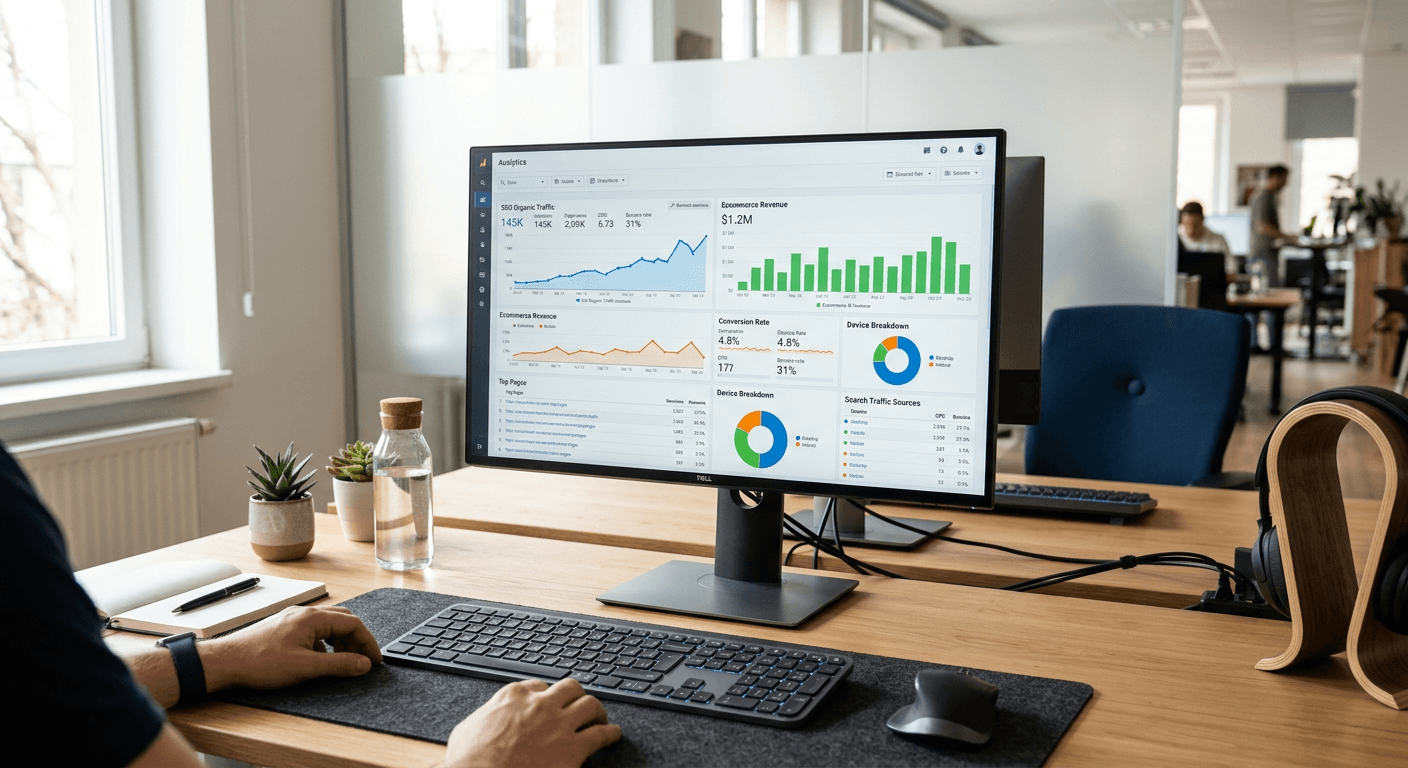
Optimizing an online storefront for search visibility has evolved far beyond basic meta tag adjustments. In 2026, successful ecommerce SEO marketing requires a holistic approach that synchronizes technical infrastructure, user experience, and content authority. When search engines can seamlessly crawl, index, and understand the value of your product catalog, they are significantly more likely to prioritize your pages in result sets, driving consistent, high-intent traffic that converts into measurable revenue.

Quick Summary
Ecommerce SEO marketing is the practice of refining an online retail site's structure, content, and authority to improve organic rankings in search engines. By aligning site architecture with user intent and technical performance standards, retailers can capture more search traffic and increase online sales without over-reliance on paid advertising.
- Prioritize site architecture for intuitive crawling.
- Implement structured data for rich search results.
- Optimize product descriptions with high-intent keywords.
- Leverage video to increase dwell time and engagement.
Table of Contents
- 1. Strategic Keyword Research
- 2. Streamlined Site Architecture
- 3. Structured Data Implementation
- 4. Optimized Product Descriptions
- 5. Advanced SEO Video Marketing
- 6. Mobile-First Performance Tuning
- 7. Internal Linking Strategy
- 8. Technical Auditing and Crawl Health
- 9. User Experience and Engagement Signals
- FAQ
- Recommended Reads
1. Strategic Keyword Research
Effective research identifies the specific terminology your customers use during different stages of the buying journey. By mapping seo marketing keywords to product categories and individual items, you create a content strategy that addresses both broad informational queries and specific transactional intent.
This matters because targeting the wrong terms leads to high bounce rates and low conversion. By focusing on long-tail keywords that signal purchase intent, your store attracts users who are ready to buy, rather than those merely browsing for general information.
2. Streamlined Site Architecture
Your site structure must follow a logical hierarchy, typically categorized as Home, Category, Sub-category, and Product page. Keeping the distance from the homepage to any product page under three clicks ensures that search engine crawlers can index your entire inventory efficiently.
Impact on performance is substantial. A flat, organized architecture reduces the burden on search engine bots, ensuring your newest inventory is discovered quickly. It also provides a superior UX, helping customers find exactly what they need without excessive navigation.
3. Structured Data Implementation
Schema markup, or structured data, provides search engines with explicit context about your products. By defining details like price, currency, availability, and review ratings in the site code, you enable search engines to display "rich snippets" directly in the search results.
Rich snippets significantly increase click-through rates by providing immediate value to the user before they even visit your site. They create a visual distinction between your listing and competitors, effectively turning search results into a high-visibility marketing asset.
4. Optimized Product Descriptions
Avoid using manufacturer-provided descriptions, which lead to duplicate content issues that can harm your rankings. Instead, craft unique, benefit-focused narratives that incorporate your target keywords naturally while explaining the value proposition of each item.
Original, high-quality descriptions build topical authority. When you provide unique insight into your inventory, you become a more trusted source for the search engine, which improves your standing for competitive search terms within your niche.
5. Advanced SEO Video Marketing
Integrating visual demonstrations, how-to guides, and product showcases is a powerful way to enhance user engagement. SEO video marketing extends the time a user spends on your site, which is a critical signal to search algorithms that your content is valuable and relevant.
Videos help capture traffic from alternative search interfaces, such as video-specific discovery platforms. By hosting these assets directly on your product pages and optimizing the accompanying metadata, you increase the probability of ranking in both traditional search and video-centric results.
6. Mobile-First Performance Tuning
Since most shopping traffic originates from handheld devices, your site must be optimized for speed and touch navigation. Google utilizes mobile-first indexing, meaning the mobile version of your site is the primary determinant for your search rankings.
Poor mobile performance, such as heavy load times or obstructive pop-ups, will cause users to leave immediately, negatively impacting your SEO traffic. Ensuring your infrastructure delivers content at sub-50ms latency keeps bounce rates low and conversion rates high.
7. Internal Linking Strategy
Internal links act as the bridge between your various pages, passing authority from high-performing pages like your homepage or blog posts to individual product pages. Use descriptive, keyword-rich anchor text rather than generic "click here" prompts.
This strategy helps search engines understand the relationship between your content and products. By creating a spider-web of relevant links, you ensure that even your deepest product pages receive sufficient authority to rank, maximizing the utility of every page on your site.
8. Technical Auditing and Crawl Health
Regular technical audits are essential to identify and resolve broken links, 404 errors, and redirect chains. These issues create dead ends for search bots and erode the overall trust search engines place in your domain.
Consistency in technical health prevents index bloat and ensures that your crawl budget is used effectively. Maintaining a clean site allows search engines to re-index changes to your inventory - such as price updates or stock changes - without delay.
9. User Experience and Engagement Signals
Search engines track user behavior to determine if a page delivers on the promise of the search query. High bounce rates and rapid exits signal that a page is irrelevant, while long sessions and internal navigation signal high utility.
Investing in a fast, clean, and intuitive interface is inherently an SEO task. When users find value in their interaction with your store, their positive engagement signals are recorded by search engines, helping to maintain or improve your site's rank over time.
FAQ
Why is structured data important for ecommerce?
Structured data helps search engines understand product specifics like pricing and ratings. This allows them to show rich snippets in search results, which can significantly improve your click-through rate compared to standard text links.
How does video impact SEO?
Video marketing improves dwell time, which is a key engagement metric for search engines. It provides users with helpful content that keeps them on your page longer, signaling that your site provides a high-quality experience.
Does site speed affect search rankings?
Yes, site speed is a core ranking factor. Fast-loading pages, particularly on mobile, are prioritized by search engines because they provide a better user experience and reduce bounce rates.